
University of Utah


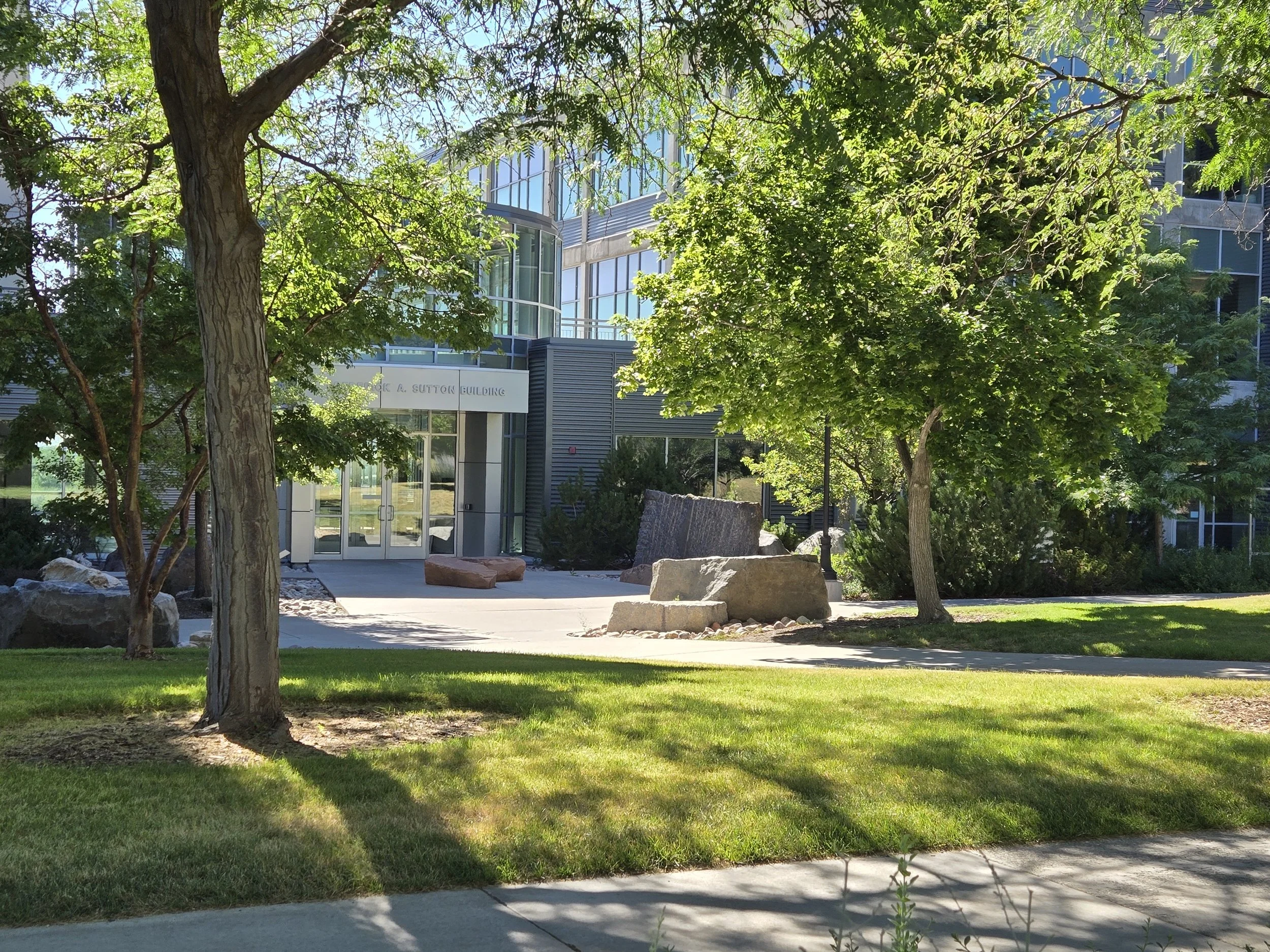


One of the oldest universities west of the Mississippi, the University of Utah sits in the region’s only major city. Science and professional programs such as business and engineering are traditional strengths. Has positioned itself as a more accessible alternative to California’s public higher education system—with plenty of academic opportunities and school spirit to go around. Applications have doubled in the last decade, and out-of-state enrollment is on the rise.
In addition to being the flagship institution of the state’s higher education system, the University of Utah is a major national scientific research center. Founded in 1850, the university is unusual in its ability to offer students the advantages of living in a city while at the same time maintaining a connection with nature. Utah has recently increased its focus on the undergraduate experience by beefing up academic programs and building new residential facilities, including a $51 million student life center. Applications have surged as a result, and students say enthusiasm for their school is higher than ever. “We have the school spirit, the drive to transform the world, and the resources and connections needed for students to succeed,” cheers one senior.
Set in the foothills of the Wasatch Mountains near the shores of the Great Salt Lake, the university enjoys a picturesque location a half-hour drive from “the greatest snow on earth.” Occupying 1,500 well-landscaped acres with nearly as many different kinds of trees as undergraduates, the campus doubles as the state’s arboretum. The university’s structures range from historic 19th-century buildings to state-of-the-art modern facilities. A spate of new construction continues, including Kahlert Village, a 992-bed freshman residential complex.
Utah students choose from a comprehensive academic menu, including more than 100 undergraduate majors, and the U does not skimp on general education requirements. Students must take classes in writing, American institutions, math, statistics, and intellectual explorations, which include two courses in the humanities, sciences, social sciences, or fine arts, as well as fulfill international and diversity course requirements. Utah is renowned for its research in biomedical engineering, and majors in business administration, entrepreneurship, international studies, and social work are strong. The Lassonde Entrepreneur Institute offers training to budding entrepreneurs, 400 of whom get to reside in the $45 million Lassonde Studios, featuring the sort of pods and shared spaces characteristic of high-tech workplaces. An unusual major in quantitative analysis of markets and organizations was developed jointly by the business school and the department of economics. Programs in ballet and modern dance are also well regarded. Students interested in video game development or digital animation may pursue a major in computer science with an entertainment arts and engineering emphasis or a major in games. The most popular majors include psychology, communication, computer science, and biology, and new majors have been added in bioinformatics and linguistics.
The academic climate can be challenging, but in general “the workload is fairly manageable,” according to one sophomore. Introductory courses often enroll hundreds of students, with smaller discussion sections led by graduate student teaching assistants. Overall, 44 percent of classes have fewer than 20 students. Students report that the quality of teaching varies by department, but for the most part, says a business major, “professors care about what they teach their students and want them to learn.” The LEAP (Learning Engagement Achievement Progress) learning community involves a two-semester sequence of courses led by faculty and peer advisors; 10 percent of freshmen participate. Those seeking a more challenging curriculum and the chance to write a thesis may apply to the Honors College.
The Undergraduate Research Opportunities Program provides a $1,200 stipend and educational programming for students who assist with a faculty member’s research or creative project or who carry out a project of their own under the supervision of a faculty member. “There is so much research going on at the U and so many opportunities to get involved with it,” cheers a junior. Additionally, students can study abroad via some 500 programs offered in more than 50 countries.
Utah’s students are a mostly middle-class, fairly homogeneous lot; 75 percent of undergraduates are Utah residents, and nearly all attended public schools. A growing number of students are arriving from out of state, especially Californians who feel shut out by the higher education system in their home state; 8 percent come from abroad. Black students make up just 2 percent of the student population, Asian Americans 7 percent, Hispanic/Latino 17 percent, and multiracial students 7 percent. Students describe their fellow Utes as “friendly” and “supportive” and say the political climate is diverse and sometimes polarized. A substantial percentage of Utah students are Mormon. Says a sociology major, “U students are pretty all across the spectrum politically, with most being moderately liberal.” Utah offers merit scholarships averaging $7,600, and athletic scholarships are available in 20 sports. Additionally, the Native Student Scholarship Program covers costs not met by scholarships and grants for undergraduates who are enrolled members in one of Utah’s federally recognized tribes.
Only 17 percent of students live on campus, but those who do seem to be pleased with the housing facilities, many of which were built to accommodate visitors during the 2002 Olympics. Off-campus apartments within walking distance of the campus are plentiful. Students are also generally satisfied with the food, though edibility varies based on which campus eatery you choose. At lunchtime, local food trucks usually line up around the Marriott Library plaza, a popular gathering place. Students report feeling safe on campus, and the university has increased the number of staff dedicated to Title IX issues. The career center and mental health counseling also get good reviews.
Utah has had a reputation as a commuter school, but students say that is changing, and the on-campus social scene is becoming livelier with the influx of out-of-state students. Participation in Greek life is an increasingly popular option; currently, 7 percent of the men and 9 percent of the women join fraternities and sororities. “From lectures, concerts, dance performances, and late-night Crimson Nights parties, there is something for everyone,” a student says. Students also look forward to the Grand Kerfuffle, which brings major musical acts to campus every spring.
Utah’s proximity to the mountains means that “much of the social life is recreational,” according to one junior. Favorite road trips take students to Las Vegas, Lake Powell, and nearby ski resorts (with slopeside bus service available from the school). Salt Lake City isn’t exactly a college town, but a junior says, “The nightlife in SLC downtown is great if you are over 21.” Adjacent to campus, the Latter-day Saints Institute of Religion sponsors dances and other social activities with a decidedly conservative bent. There are also centers for other faiths, notably Jewish and Roman Catholic. Cultural activities include the respected Utah Symphony, several dance companies, opera, and, of course, the Mormon Tabernacle Choir.
As of 2024, Utah’s teams compete in the Division I Big 12 Conference, and football and basketball bring students together in the MUSS—Mighty Utah Student Section—where cheers are loudest during the “Holy War” rivalry football game against Brigham Young. The co-ed skiing team won its fourth consecutive NCAA championship in 2023. Men’s and women’s basketball, men’s tennis, and women’s gymnastics, softball, and volleyball also make regular NCAA tournament appearances. In addition to the university’s dozens of club sports and intramurals (canoe battleship, anyone?), the Outdoor Adventure Program offers backpacking, river running, mountain biking, and skiing trips.
Students say that academic quality, diversity, and the residential experience are all on the rise at Utah. “People are here to learn, and there is a strong focus on research and advancement,” says a family, community, and human development major. It’s also one of the few places where you can find nationally recognized professional programs within easy reach of nationally recognized skiing.
Quisque iaculis facilisis lacinia. Mauris euismod pellentesque tellus sit amet mollis.